
Security & Defence PLuS partnered with Kyoto University and the Kajima Institute of International Peace (KIIP) to deliver the Joint Conference on Comprehensive Security in the Indo-Pacific on 14 and 17 November 2025 in Tokyo and Kyoto.
The two-part conference brought together experts, academics, and policymakers from Japan, Australia, the UK, and the US for a programme of closed dialogues and public engagements with contributions from the PLuS Alliance institutions: Arizona State University, King’s College London, and UNSW.
“Comprehensive Security” encompasses a broad spectrum of risks facing modern societies, including energy vulnerabilities, food insecurity, supply-chain disruptions, natural disasters, and military threats. First articulated in the 1970s by Masataka Kousaka and fellow Kyoto University scholars during a period of global shocks, the concept has gained renewed urgency as Japan confronts intensifying strategic pressures, growing dependence on imported energy and food, climate-driven disruptions, and a more contested Indo-Pacific shaped by China’s assertiveness and shifting US policy settings.
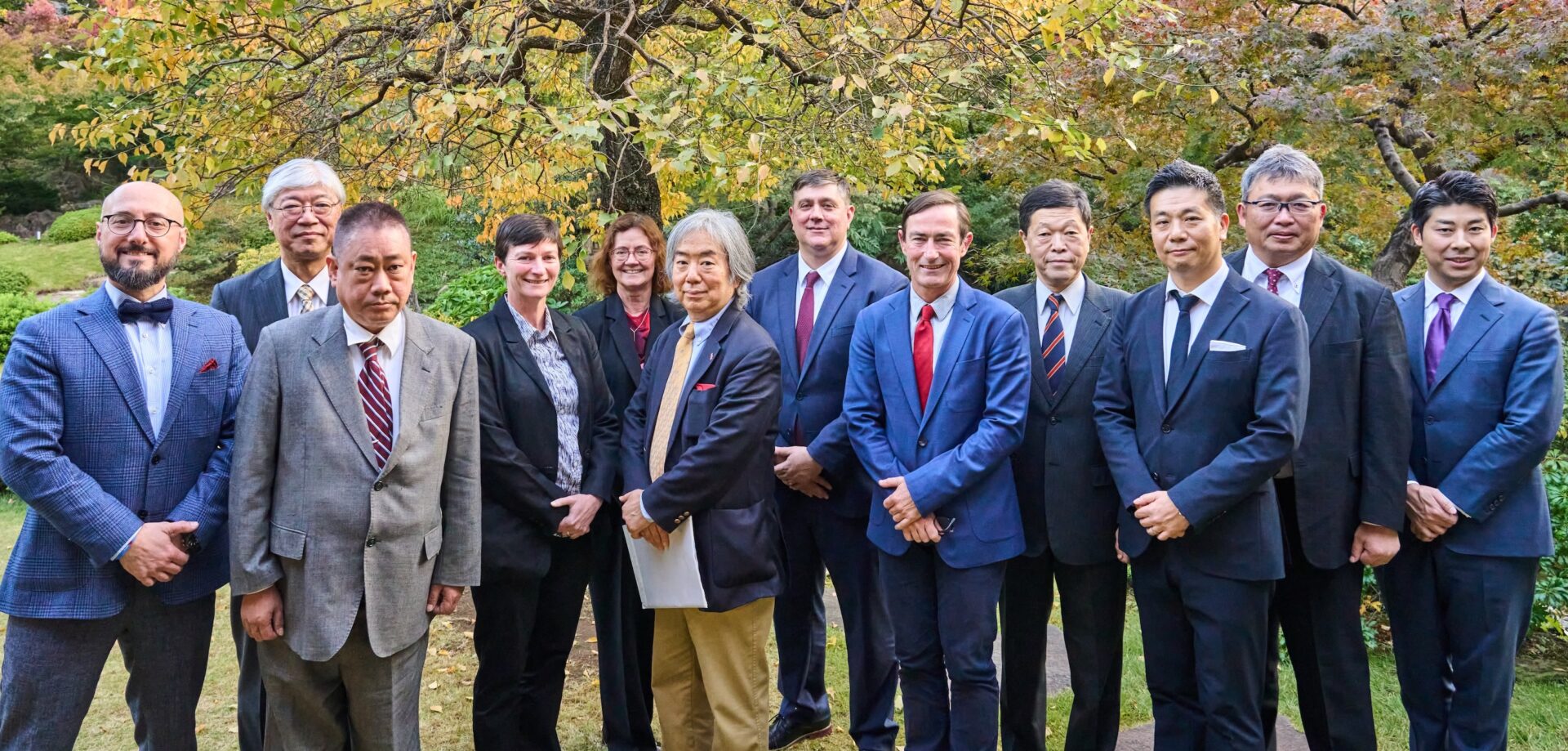
Part One: Tokyo – Cyber, Supply Chains and the “Maritime Century”
The first day, held at the International House of Japan in Tokyo, opened with a closed dialogue on cyber security. Participants examined Japan’s evolving cyber-security environment, the dynamics of strategic cyber competition in the Indo-Pacific, and the growing need for whole-of-society resilience to cyber threats. Speakers included Nobushige Takamizawa, former Director of the National Center for Cybersecurity; Mihoko Matsubara, Chief Cybersecurity Strategist at NTT; and Debi Ashenden and Sally Burt of UNSW.
A second closed session focused on the stable and secure flow of energy, rare metals, and food. Contributions from Kunihiko Shinoda of GRIPS, Hirohito Ogi from the Institute of Geoeconomics, Takeshi Sakade of Kyoto University, and Alessio Patalano and Manolis Priniotakis from King’s and ASU explored vulnerabilities in regional supply chains and the increasing importance of safeguarding undersea infrastructure in what was described as the “Maritime Century”.
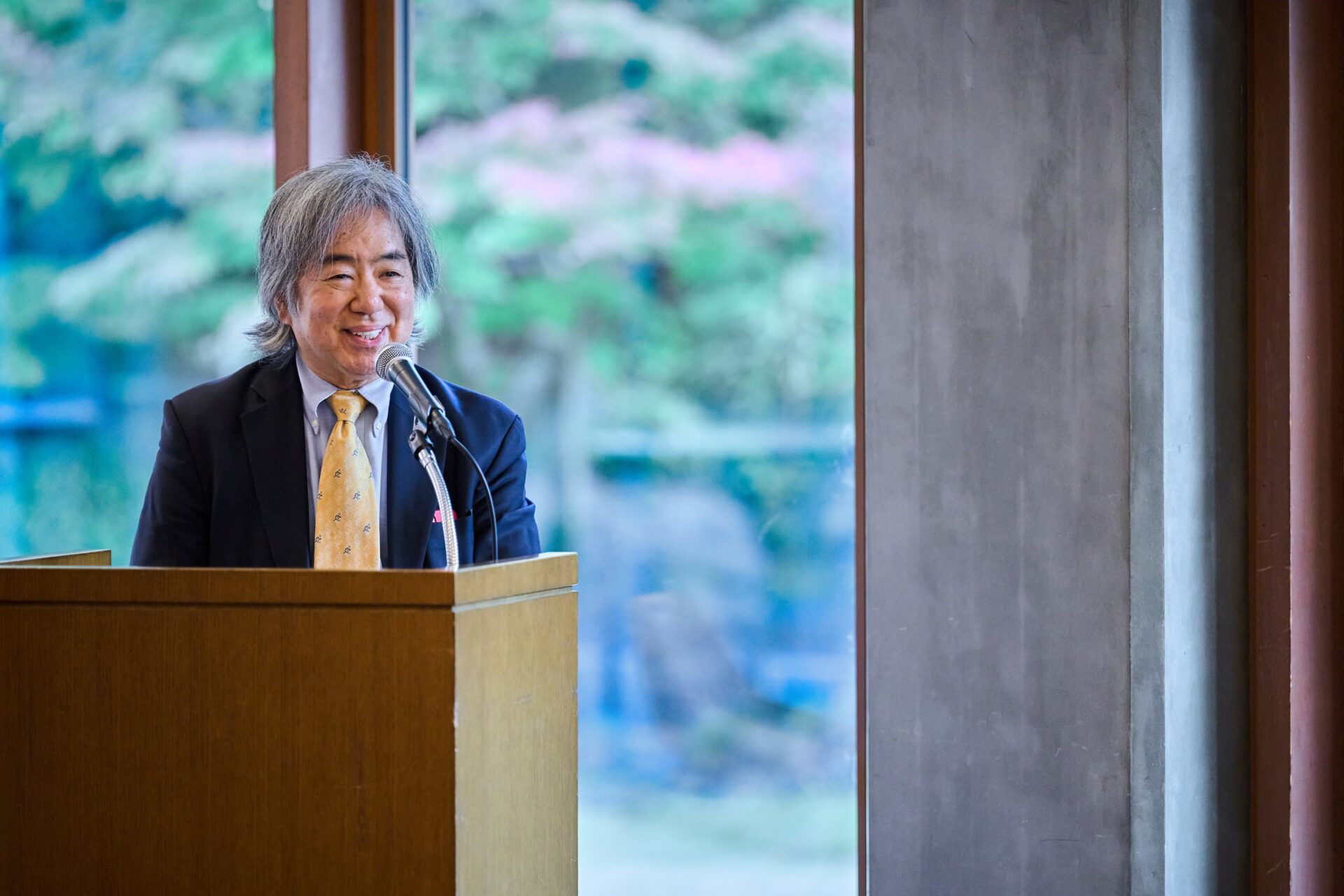
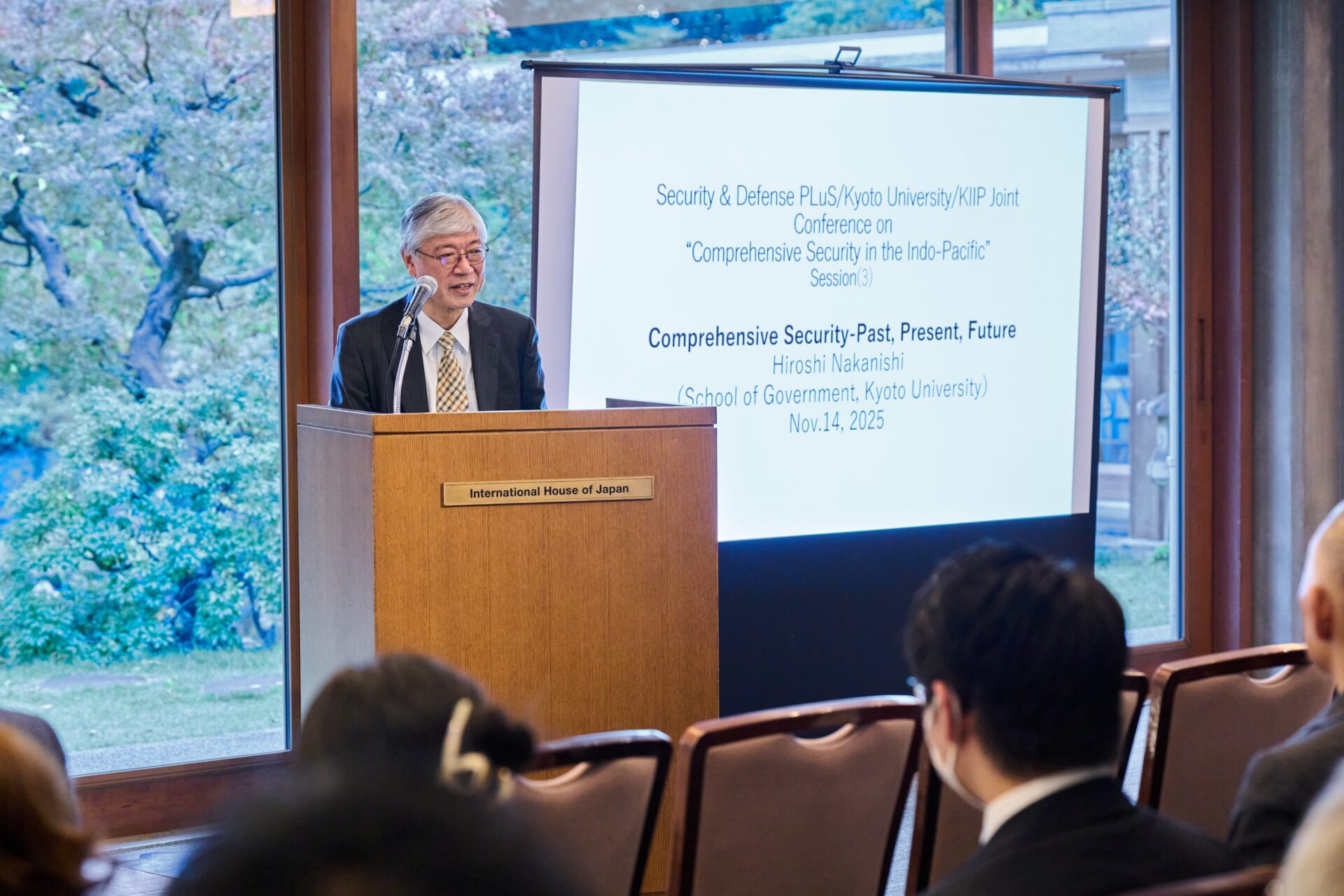
The public seminar was opened by Nobuyuki Hiraizumi, President of KIIP, before Professor Hiroshi Nakanishi revisited the evolution of comprehensive security and its significance in today’s environment.
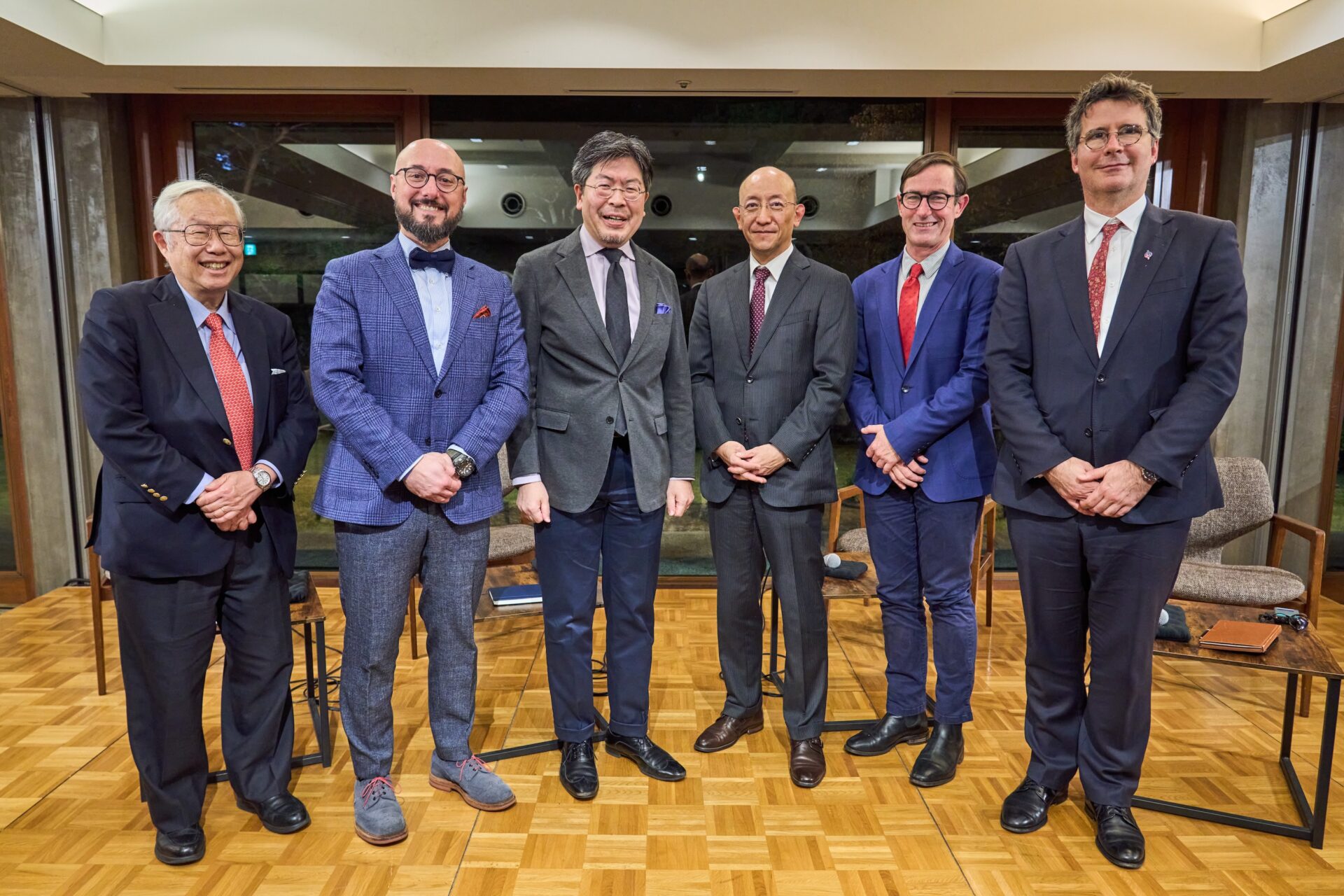
Senior officials and diplomats, including Hideshi Tokuchi, former Vice-Minister of Defense for International Affairs; Emil Levendoğlu, Minister and Deputy Head of Mission at the British Embassy in Tokyo; and Taguchi Seiichiro, Deputy Director-General of the European Affairs Bureau at Japan’s Ministry of Foreign Affairs, reflected on regional leadership, burden sharing, and how partners in AUKUS and the Quad can better cooperate in this shifting landscape.
Contributions from Michito Tsuruoka and Alessio Patalano underscored the essential role of academic institutions in convening diverse expertise, strengthening evidence-based debate, and informing policy discussions across the Indo-Pacific.


Part Two: Kyoto – Regional Leadership and Interconnected Risks
The second part of the conference took place at Kyoto University, beginning with a guided tour of the Yoshida Campus before moving into a closed-door dialogue led by Kyoto University scholars. Discussions covered Japan–Taiwan relations, climate and environmental security, Japan’s Free and Open Indo-Pacific (FOIP) policy, and the implications of AUKUS for regional stability and long-term planning.
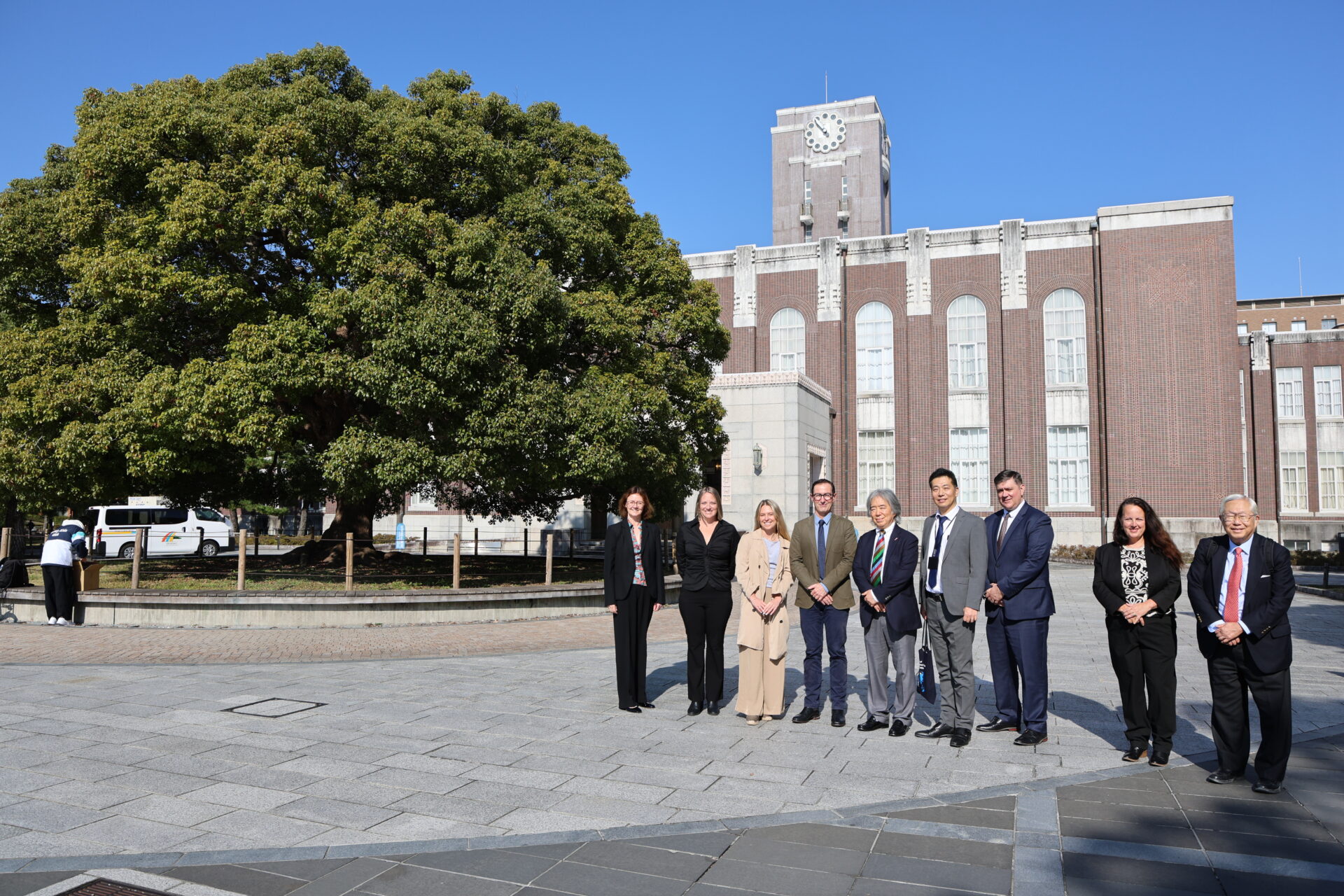
The closing public seminar provided an opportunity for PLuS Alliance experts Alicia Ellis, Manolis Priniotakis, Debi Ashenden, and Ian Langford to present their research on issues central to the concept of comprehensive security, including agricultural security, cyber security, and the protection of critical infrastructure.
Across both cities, the conference demonstrated the value of connecting practitioners, government officials, and academic researchers to address multi-dimensional security challenges. The discussions also underscored the importance of focusing on the common interests and shared understanding of Japan and its allies and security partners across Europe and the Indo-Pacific.

S&D+ extends sincere thanks to all speakers, contributors, and participants, and especially to our generous hosts, including Professor Takashi Sekiyama, Nobuyuki Hiraizumi, and Mr Shikata, for supporting such a productive exchange. We look forward to reciprocal engagements tentatively planned for 2026.
Please click below to see the full conference report, including a selection of abstracts and policy recommendations from the presentations.